V
April – May
Blossom & bees
The orchard turns pink and white for three weeks. We keep bees among the trees and leave the grass long for the wildflowers. A late frost now can halve the harvest, so we watch the forecast like hawks.
Pressed from our own standard trees, fermented slowly on wild yeasts through a Herefordshire winter, and bottled when it's ready. Not a day before.
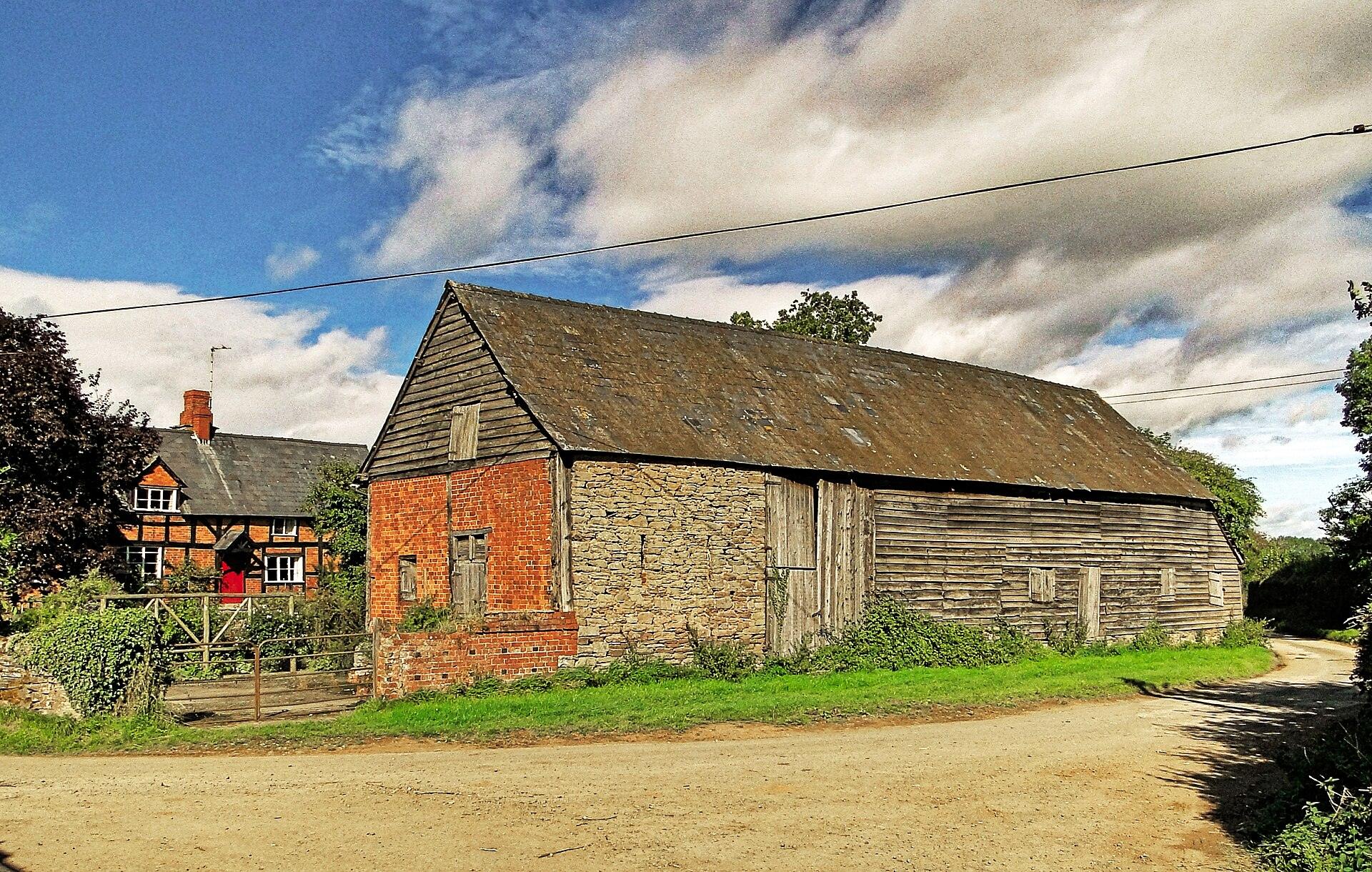
When Grandad Arthur planted the Top Orchard in 1987, the neighbours thought he'd lost the plot. Standard trees, thirty feet apart, grazed by sheep and left to grow tall. Everyone else was grubbing theirs up for bush orchards and bigger yields.
Nearly forty years on, those same trees give us fruit with a depth you simply can't hurry. We still pick by hand, still press on the old rack-and-cloth, and still let the wild yeasts off the skins do the work over the winter.
What comes out in spring is cider with real tannin and a long, dry finish: the kind that tastes of a particular field, in a particular year. That's the whole idea.
These days it's Hannah and Joe running the place, with Arthur still turning up at pressing time to tell everyone they're doing it wrong.
A good cider should taste like the weather that grew it. Ours tastes of Herefordshire rain and a long, golden October.Hannah Pryce, head cider maker
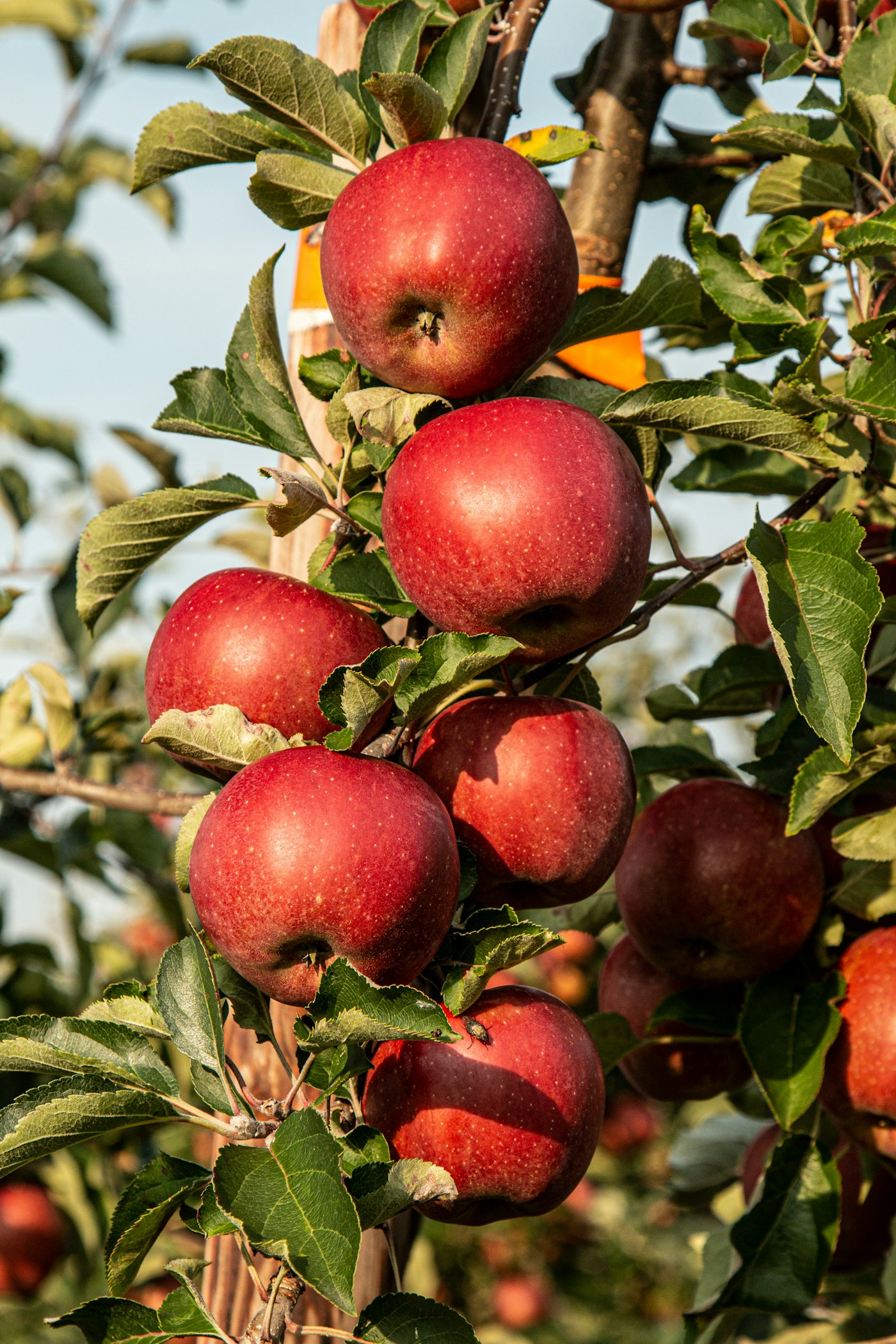
The orchard turns pink and white for three weeks. We keep bees among the trees and leave the grass long for the wildflowers. A late frost now can halve the harvest, so we watch the forecast like hawks.
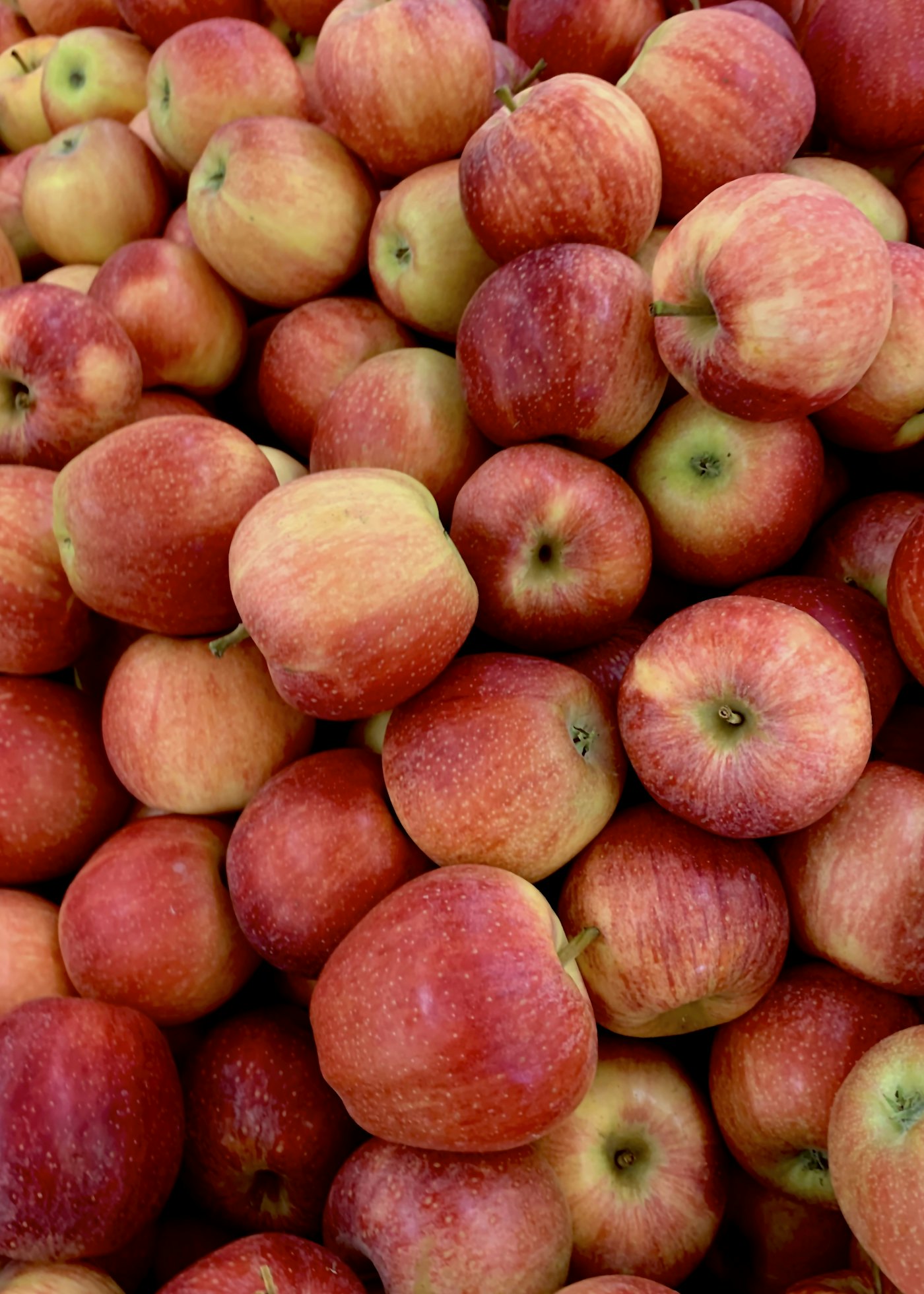
Cider apples tell you when they're ready by falling. We shake, gather and hand-sort every one, variety by variety, then let them sit and mellow for a fortnight to build their sugars.
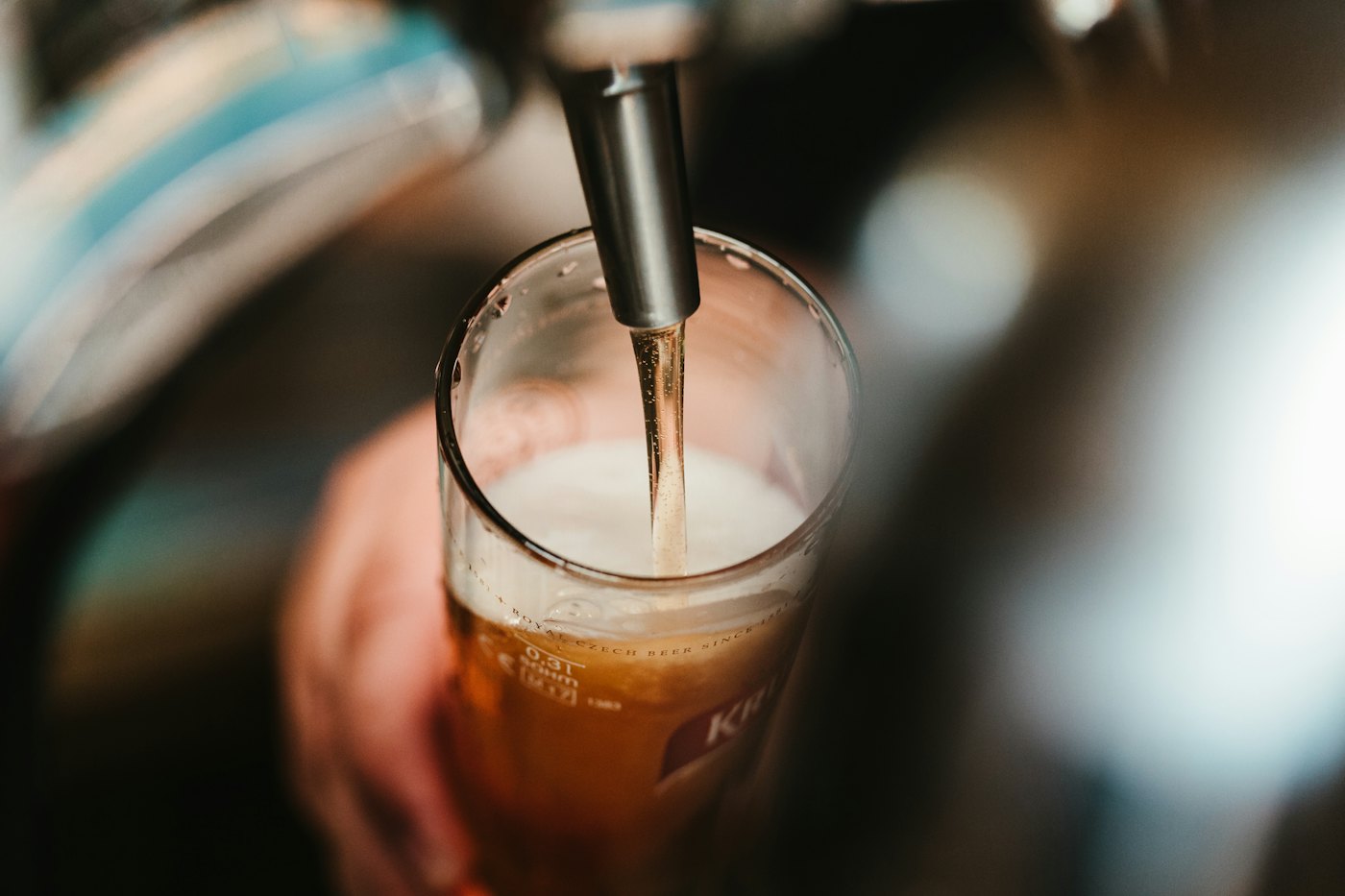
Milled pulp is folded into cloths and stacked on the rack-and-cloth press, a 1950s beast we'd never part with. Fresh juice goes straight into oak and steel with nothing added at all.
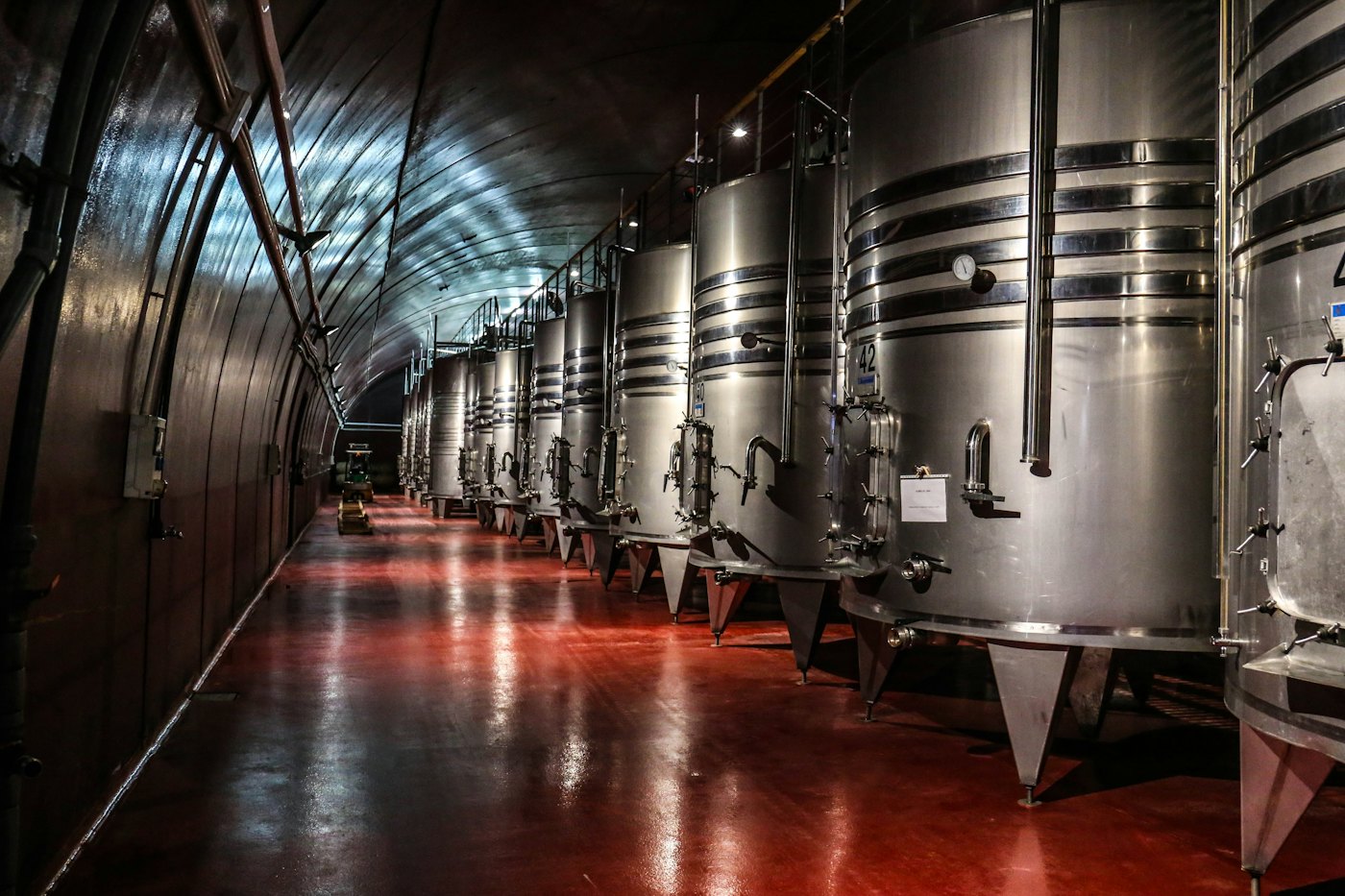
Wild yeasts do their slow work through the cold months. We taste every vessel weekly and blend in spring, when each batch finally tells us what it wants to be.
Five ciders and a perry, each from a single orchard or a single variety. Tap a bottle to learn a little more about it.
Proper cider apples are gloriously unpleasant to eat. It's the tannin and acid that make them sing in the bottle.